Published · By Frank DeLozier, Owner & Master Fence Builder
A quick conversation before you build, and facing the finished side out, prevents most fence disputes between neighbors.
Good fence etiquette comes down to a few things: talk to your neighbor before you build a fence on or near the shared line, face the finished "good side" toward them (many cities and HOAs require it anyway), keep the fence on your own property, and share the cost fairly if the fence benefits you both.
Why Fence Etiquette Matters
A fence sits right at the border of two people’s homes, so it is uniquely capable of building goodwill or starting a feud. Handle it thoughtfully and it defines a clean, private boundary everyone appreciates; spring it on a neighbor without a word and it can sour a relationship for years.
None of the etiquette is complicated, it is mostly courtesy and communication. A little consideration before and during the project is what keeps a fence a benefit rather than a grievance, especially since you and your neighbor will be living next to it, and each other, for a long time.
Talk to Your Neighbor First
The golden rule of fence etiquette is to talk to your neighbor before you build, especially if the fence will sit on or near the shared property line. Let them know your plans, the location, height, and style, before work starts, not after the posts are in the ground.
This does two things: it heads off surprises and objections, and it opens the door to sharing the cost if the fence benefits you both. Even when the fence is entirely on your side and fully your call, a heads-up is the neighborly thing to do and keeps the relationship smooth.
Which Side of the Fence Faces the Neighbor?
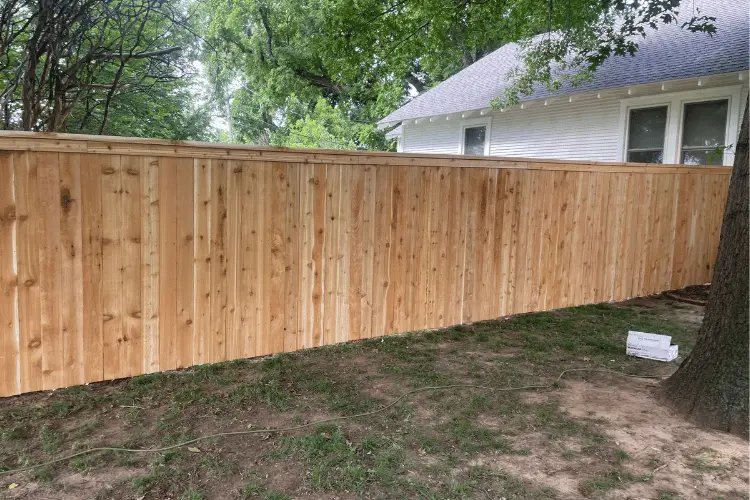
The most well-known point of fence etiquette is the "good side" rule: the finished, smooth side of the fence, the side without the exposed rails and posts, traditionally faces outward, toward the street and your neighbors, while the framed side faces into your own yard.
It is considered both courteous and standard practice, and in many cities and HOAs it is actually required by code, so you often do not have a choice. Facing the good side out means your neighbor looks at a clean fence rather than the structural back, which is a big part of keeping the peace.
Why the "Good Side" Convention Exists
The good-side rule is partly courtesy and partly civic. From the street, a row of fences all showing their finished faces looks orderly and maintained, which is why cities write it into code. And toward a neighbor, showing the smooth side rather than the exposed framing is simply the polite thing to do.
If you would rather look at the finished side from your own yard too, the answer is a "good neighbor" or shadowbox fence that looks the same from both sides. It costs a little more but sidesteps the whole question of who gets the good side.
Keep the Fence on Your Property
Nothing sours a neighbor relationship faster than a fence built over the line onto their land. Etiquette and good sense both say to build on your own property, confirmed by a survey if there is any doubt, or right on the line by mutual agreement if it is a shared fence.
Building even a few inches onto a neighbor’s property invites a legitimate grievance and a possible demand to move the fence. When in doubt about the boundary, get it surveyed; it is far cheaper than the dispute, and the relationship, that an encroaching fence can cost.
Sharing the Cost Fairly
When a fence sits on the shared line and benefits both households, offering to split the cost is both good etiquette and common practice. Even if you are the one who wants the fence, raising the idea of a fair share is courteous and often welcome, since your neighbor gains the same privacy and boundary.
If you do share the cost, agree on the fence and the split up front and put it in writing. That keeps the arrangement clear and prevents disagreements later, especially when the fence eventually needs a repair. Our guide on shared-fence ownership covers how those arrangements work.
Maintain Your Side
Etiquette does not end when the fence goes up. Keeping your side clean and in good repair, no vines climbing over, no leaning sections, no peeling paint facing the neighbor, is part of being a good fence neighbor over the years.
On a shared fence especially, letting your side go while expecting the neighbor to keep theirs up creates friction. A fence that both sides maintain stays an asset to both properties, which is the whole point of doing it right.
Be Considerate About Style and Height
A fence changes the view from your neighbor’s yard too, so a little consideration about style and height goes a long way. A towering solid wall where the neighborhood norm is a modest fence can feel imposing, and a wildly out-of-place style can clash with everything around it.
You are entitled to the fence you want within the rules, but choosing something that fits the neighborhood, and mentioning it to the neighbor, is the courteous path. Often there is a style that gives you what you want while still looking good from both sides of the line.
The "Good Neighbor" Fence Compromise
If the good-side question feels lopsided, there is a fence style that settles it: the "good neighbor" or shadowbox fence, which looks identical from both sides. Instead of one smooth side and one framed side, the pickets alternate on either side of the rails, so both you and your neighbor see a finished fence.
It costs a little more in material because of the overlapping pickets, but it removes the whole who-gets-the-good-side question and often makes sharing the cost an easier conversation, since neither party feels shortchanged on looks. On a shared boundary where both households care about the view, it is frequently the most diplomatic choice.
Handling Disagreements Gracefully
Even with good etiquette, neighbors sometimes disagree about a fence. The best approach is to keep it friendly and factual: listen to their concern, share your plans and the relevant rules, and look for a compromise, a different style, a slightly different location, a shared cost, that works for both.
If a fence is entirely on your property and within code, it is ultimately your decision, but leading with courtesy rather than confrontation almost always produces a better outcome and a better relationship. Save the "it is my right" stance for when there is truly no other option.
Disclose Shared Fences When You Sell
Fence etiquette extends to the next owners, too. If you have a shared fence or an understanding with a neighbor about one, it is courteous, and often expected, to disclose that to a buyer when you sell, so they know the arrangement going in.
Likewise, buying a home with a fence on a shared line, it is smart to ask about any existing agreement. Passing along a clear picture of the fence situation spares both the new owners and the neighbor an awkward surprise down the road.
How We Help Keep It Neighborly
We build fences the neighborly way as a matter of course: finished side out unless you tell us otherwise, on your verified property line or where you and your neighbor agree, and with a clear written estimate you can share if the cost is being split.
The fence is our job; the good relationship with your neighbor is yours to keep, but building it right, and courteously, makes that easy. A free on-site estimate is always available.
Get a Free Fence Quote
We come to your property anywhere in the OKC metro, walk the project, and build a fence that looks good from both sides of the line and keeps the peace with the neighbors. Every install carries a one-year workmanship warranty.
Call us at (405) 767-4828 or request a free quote to get started.
Good to Know
Frequently Asked Questions
By convention, and often by code, the finished "good side" of the fence, the smooth side without exposed rails and posts, faces outward toward the neighbor and the street, while the framed side faces into your own yard. A shadowbox or "good neighbor" fence looks the same from both sides.
Legally, usually not if the fence is entirely on your property and within code, but as a matter of etiquette, yes, especially if it sits on or near the shared line. A heads-up prevents surprises, opens the door to sharing costs, and keeps the relationship smooth.
Traditionally the neighbor and the street get the good side, the owner who builds the fence looks at the framed side from their own yard. Many cities and HOAs require the finished side to face out. To get the good side yourself too, build a shadowbox fence that looks the same both ways.
When a fence sits on the shared line and benefits both households, splitting the cost is common and courteous. It is not automatic, so the neighborly move is to raise it, agree on the fence and the share, and put it in writing before the work is done.
Keep Reading
Explore Our Fence Services