Published · By Frank DeLozier, Owner & Master Fence Builder
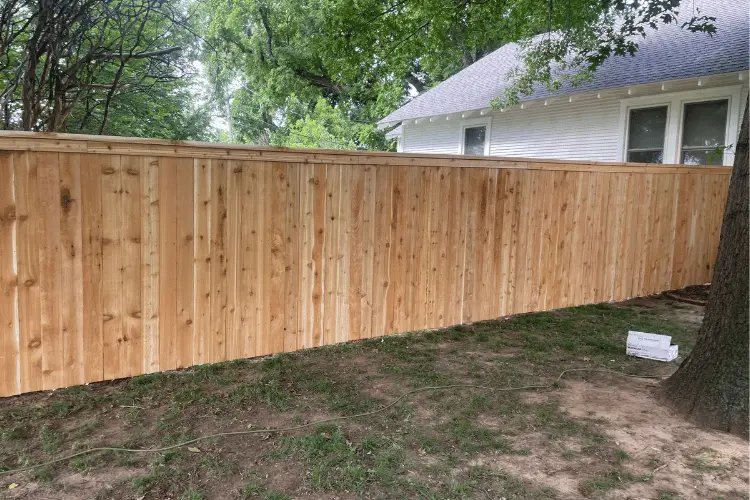
A new cedar fence has to dry before it can take stain; the water-drop test tells you when it is ready.
You should wait to stain a new wood fence until the wood has dried out and is ready to absorb stain, usually a few weeks to a few months depending on the lumber and the weather. Test by sprinkling water on the fence: if it soaks in rather than beading up, the wood is ready to stain.
How Long Should You Wait to Stain a New Fence?
There is no single magic number, because it depends on the wood and the weather, but the general range is a few weeks to a few months. New lumber, even kiln-dried cedar, holds moisture that has to escape before the wood will accept stain, and drying takes time.
Rather than counting days on a calendar, the better approach is to test the wood itself, because a fence in the dry Oklahoma sun may be ready sooner than the same fence in a wet, shaded yard. The water-drop test is how you know for sure.
The Water-Drop Test
The water-drop test is the simplest, most reliable way to tell if a new fence is ready to stain. Sprinkle or spray a little water on the wood and watch what it does. If the water beads up and sits on the surface, the wood is still too wet or the mill glaze has not worn off, wait longer.
If the water soaks into the wood within a minute or so, the fence is dry enough to absorb stain, and you are good to go. Test in a few spots, since different boards can be ready at different times. This test beats any rule of thumb because it reads the actual condition of your wood.
Why Staining Too Soon Is a Mistake
Staining a fence before the wood is ready is one of the most common finishing mistakes. If the wood is still holding moisture, the stain cannot penetrate, it sits on the surface, and the trapped moisture underneath has nowhere to go.
The result is a finish that will not bond, that can peel, blotch, or feel tacky, and wood that stays damp longer than it should. You end up doing the job twice: stripping or cleaning off the failed coat and re-staining once the wood is actually ready. Patience up front saves that headache.
Cedar vs. Pressure-Treated: Different Timelines
The wood species changes the timeline. Western Red Cedar, the most common privacy-fence wood in the metro, is relatively dry and often ready within a few weeks to a couple of months, depending on the weather.
Pressure-treated lumber is a different story: it is often quite wet from the treatment process when it is installed and can take several months to dry out enough to stain. When in doubt with either, the water-drop test settles it.
Should You Stain a New Fence at All?
Staining is optional, not mandatory. Cedar naturally resists rot and can be left to weather to a handsome silver-gray without falling apart, which some homeowners prefer and which requires no work at all.
That said, staining protects the wood from Oklahoma’s intense sun and moisture, preserves or deepens the color, and extends the fence’s life, so it is the recommended path if you want to keep the fence looking new and get the most years out of it. The choice is aesthetics and effort versus maximum protection.
What Happens If You Wait Too Long?
Waiting a bit longer than necessary is not harmful, but leaving a fence bare for a very long time has downsides. Unprotected wood in the Oklahoma sun grays, dries, and can begin to crack and check, and it collects dirt and mildew that later have to be cleaned off.
The good news is that you can still stain a fence that has weathered for months or even a year, you just need to clean it first, and possibly use a wood brightener to restore graying wood. Ideally, though, you stain within the first season for the best protection and appearance.
Oklahoma Weather and Drying Time
Local weather drives how fast a new fence dries. Oklahoma’s abundant sun and summer heat pull moisture out of the wood quickly, so a fence built in late spring or summer may be ready to stain sooner than the general range suggests.
A fence built in a wet, humid stretch, or one in a shaded, low-drainage part of the yard, dries more slowly and needs more patience. Again, the wood tells you when it is ready, regardless of the season, so lean on the water-drop test.
Prepping a New Fence Before You Stain
Even a new fence benefits from a quick prep before staining. Give it a light wash to remove construction dust, dirt, pollen, and any mill glaze on the surface, and let it dry fully afterward. Clean, dry wood absorbs stain evenly.
Once it passes the water-drop test and it is clean and dry, pick a mild, dry day and you are ready to stain. Do not forget the posts, caps, and end grain, which soak up the most moisture and benefit most from protection.
Can You Seal a New Fence Before You Stain It?
A common question is whether you can put something on a new fence right away for interim protection while it dries. The honest answer is that most stains and sealers should not go on until the wood is ready, for the same reason, they will not absorb into damp wood and can trap moisture.
The wood’s own natural resistance is its protection in the meantime. Cedar in particular resists rot and insects on its own, so a new cedar fence is fine to sit unfinished for the few weeks or months it takes to dry. Rather than rushing a product on early, the better plan is to let it cure and then stain it properly once it passes the water-drop test.
Read Your Fence, Not the Calendar
The single most useful habit is to judge readiness by the wood itself rather than a date. Two fences installed the same week can be ready at different times depending on the lumber, the sun exposure, and how much rain fell. A rule like "wait six weeks" is only a rough guide.
So instead of marking a day on the calendar, check the fence every couple of weeks with the water-drop test once you are a few weeks out. When the water soaks in, the wood is telling you it is ready, no matter what the calendar says. The test takes only a few seconds and removes the guesswork from a decision people otherwise tend to agonize over. Letting the fence set the schedule is how you get a finish that actually bonds and lasts.
Caring for a New Fence in the Meantime
While you wait for the wood to be ready, there is very little to do, a new cedar fence needs no special care during its drying period. Just keep sprinklers from constantly soaking it and clear any mulch or dirt piled against the bottom of the pickets.
When the wood passes the water-drop test, you are set to protect it. Our full guide on how to stain a fence in Oklahoma walks through the products and application once your new fence is ready.
Planning a New Fence?
A new cedar fence built the right way is made to take a stain and hold its finish for years. We build privacy fences custom on site across the OKC metro and are glad to advise on when and how to protect yours once it is up.
Call us at (405) 767-4828 or request a free quote for a new fence, and we will help you get it built and set up to last.
Good to Know
Frequently Asked Questions
Generally a few weeks to a few months, depending on the wood and the weather, so the lumber can dry enough to absorb stain. Rather than counting days, use the water-drop test: when water soaks into the wood instead of beading, the fence is ready.
Use the water-drop test. Sprinkle water on the wood: if it beads up and sits on the surface, the wood is still too wet, wait longer. If it soaks in within a minute or so, the fence is dry enough to stain. Test a few spots, since boards can differ.
No. Even kiln-dried cedar holds moisture that must escape before it will accept stain, usually a few weeks to a couple of months. Staining too soon traps moisture and the stain will not bond, so it peels or blotches. Wait for the water-drop test to pass.
No, staining is optional. Cedar can weather to a natural gray without rotting quickly. But staining protects the wood from Oklahoma’s sun and moisture, preserves the color, and extends the fence’s life, so it is recommended if you want to keep it looking new.
Keep Reading
Explore Our Fence Services