Published · By Frank DeLozier, Owner & Master Fence Builder
Jobsite fencing secures equipment and materials, keeps the public out, and defines the work zone.
Construction site fencing secures a jobsite by keeping out trespassers, protecting equipment and materials from theft, and keeping the public safely away from hazards. In Oklahoma, temporary chain link, either driven-post or freestanding panel fencing, is the standard choice, with lockable gates for controlled access. It goes up fast and comes down when the job is done.
Why Construction Sites Need Fencing
A construction site is full of things worth protecting and hazards worth keeping people away from. Fencing does several jobs at once: it secures expensive equipment, tools, and materials against theft, it keeps trespassers and curious passersby out of a dangerous area, and it clearly defines the work zone. On many projects it is also expected as a basic site-management measure.
Theft and liability are the big drivers. Jobsites are targets for tool and material theft, and an unsecured site with open hazards is a liability risk. A good temporary fence addresses both, which is why fencing is one of the first things to go up on a well-run site.
There is a schedule argument too. A theft or a trespasser incident does not just cost money, it costs time, waiting on replacement equipment or materials can stall a crew for days. Fencing the site early is cheap insurance against the kind of setback that ripples through the whole project timeline, which is why experienced contractors treat it as a first-day task rather than an afterthought.
Temporary Chain Link Fencing
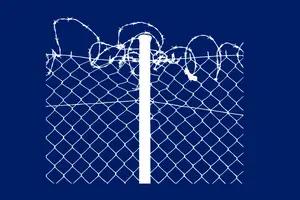
Temporary chain link is the workhorse of construction site fencing. It is strong, see-through (so the site stays visible for safety and monitoring), quick to install, and quick to remove when the project ends. It secures a perimeter effectively without the permanence or cost of a permanent fence.
Temporary chain link comes in two main forms: driven-post fencing, where posts are driven into the ground for a more secure, stable installation suited to longer projects, and freestanding panel fencing on portable bases for maximum flexibility. The right form depends on how long the site will run and how secure it needs to be.
Panel Fencing vs. Driven-Post Fencing
Freestanding panel fencing, chain link panels set into portable weighted bases, is the most flexible option: it needs no ground penetration, goes up and comes down fast, and can be reconfigured as the site changes. It suits short-term projects and sites where you cannot or do not want to drive posts.
Driven-post temporary fencing, with posts driven into the ground, is more secure and stable, it resists being pushed over or moved, which matters for security and in Oklahoma wind. For longer projects or sites needing tighter security, driven-post fencing is the sturdier choice. We help you pick based on the project’s length and security needs.
Securing Equipment and Materials
The financial case for jobsite fencing is theft prevention. Construction sites hold valuable equipment, tools, copper, lumber, and materials that are attractive targets, and losses set a project back in both cost and schedule. A secure perimeter with lockable gates is the first line of defense.
Fencing works best as part of a security approach: a secure fence, controlled and locked access points, and often lighting or cameras for higher-value sites. The fence alone deters casual theft; combined with good controlled entry and visibility, it protects against more determined attempts.
Public Safety and Liability
Beyond protecting your assets, jobsite fencing protects the public, and protects you from liability. A construction site has open excavations, materials, machinery, and other hazards that are dangerous to anyone who wanders in, especially children. Fencing keeps the public out of harm’s way and clearly signals that the area is off-limits.
Keeping unauthorized people off the site is both a safety duty and a way to limit liability exposure. A well-fenced site demonstrates that reasonable measures were taken to keep people away from hazards, which is simply part of running a responsible project.
Securing Jobsite Entrances
A fenced site needs controlled ways in and out for workers, deliveries, and equipment. Lockable gates, sized for both people and vehicles/equipment, let you secure the site when no one is there and control access when work is underway. Where and how many gates you need depends on the site’s layout and traffic.
On larger or higher-security projects, access can be managed more tightly, but even a simple site benefits from gates that lock. The goal is a perimeter that is genuinely closed off-hours and controlled during work, rather than a fence with openings that undermine it.
Gate placement deserves a moment of thought rather than being an afterthought. A gate positioned where deliveries naturally arrive, and sized for the largest equipment that has to come and go, keeps the site flowing; a poorly placed or undersized gate forces workarounds that either slow the crew or tempt someone to leave the perimeter open. We size and site jobsite gates around how the project actually operates.
Screening and Dust Control
Sometimes a jobsite fence needs to do more than secure, it needs to screen the site from view or help contain dust and debris. Windscreen or privacy fabric attached to chain link blocks the view of the work, contains some debris, and can present a tidier face to the public and neighbors.
This is common on sites near busy streets, businesses, or residential areas, where screening the construction and reducing blowing debris is a courtesy and sometimes an expectation. Screening adds wind load, though, so on Oklahoma sites the fence has to be anchored to handle it, another point in favor of driven-post fencing where screening is used.
Temporary vs. Permanent Fencing
A key decision is whether the site needs temporary fencing that comes down at the end, or whether the project includes a permanent fence as part of the finished property. Many commercial builds need both: temporary fencing to secure the site during construction, and a permanent fence installed as part of the completed project.
Thinking about this early helps sequence the work, temporary fencing goes up first to secure the site, and the permanent fence is installed at the appropriate stage. We handle both, so a project can move from jobsite security to finished perimeter smoothly.
Requirements and Coordination
Construction site fencing requirements can vary by project and jurisdiction, some sites have specific fencing, screening, or safety-barrier expectations. It is worth confirming what applies to your project with the general contractor, the property owner, and the local authority, since requirements differ by city and project type rather than following one universal rule.
We coordinate with contractors and site managers to get temporary fencing where it needs to be, when it needs to be there, and configured for the site’s workflow. Good coordination keeps the fencing from becoming a bottleneck as the project moves, and it means the fence is ready before the equipment and materials that need protecting ever arrive on-site.
How We Handle Jobsite Fencing
Metro Fence installs temporary and permanent construction site fencing across the OKC metro, driven-post and freestanding panel chain link, lockable gates, and screening, sized and configured for your project and timeline. We work with contractors and owners to secure sites quickly and take fencing down or transition to permanent fencing when the job is done.
See our commercial chain link and commercial fence services for related permanent options. A free on-site assessment and quote are always available.
Get a Free Construction Fence Quote
We come to your jobsite anywhere in the OKC metro, assess the site and your security and access needs, and get temporary fencing in place on your schedule. Every install carries a one-year workmanship warranty.
Call us at (405) 767-4828 or request a free quote to get started.
Good to Know
Frequently Asked Questions
Temporary chain link is the standard: strong, see-through for safety and monitoring, and quick to install and remove. It comes as driven-post fencing (posts driven into the ground for more security and stability) or freestanding panel fencing on portable bases for maximum flexibility, with lockable gates for access.
To secure equipment, tools, and materials against theft; to keep trespassers and the public away from hazards like excavations and machinery; and to define the work zone. It protects your assets and schedule and limits liability by keeping unauthorized people, especially children, out of a dangerous area.
It can be either. Temporary chain link secures the site during construction and comes down when the job is finished. Many commercial projects also include a permanent fence as part of the completed property, so the site moves from temporary jobsite fencing to a permanent perimeter. We install both.
Driven-post temporary fencing resists wind and being pushed over far better than freestanding panels, which is why it is preferred for longer projects and where screening (which adds wind load) is used. Freestanding panels suit short-term, flexible needs. We anchor the fencing to handle Oklahoma conditions.
Keep Reading
Explore Our Fence Services