Published · By Frank DeLozier, Owner & Master Fence Builder
Western red cedar is the durable, premium standard; Japanese cedar is a lower-cost cedar alternative.
Western red cedar is the premium fencing standard: naturally rot- and insect-resistant, dimensionally stable, and beautiful. Japanese cedar (sugi) is a lower-cost cedar alternative that offers a cedar look at a friendlier price but is generally considered less durable and stable. For a long-lasting cedar fence, western red cedar is the top choice.
Not All Cedar Is the Same
Once you have decided on a cedar fence, there is a second choice many homeowners do not realize exists: which cedar. The two you are most likely to encounter for fencing are western red cedar, the long-standing premium standard, and Japanese cedar (often sold as sugi), a lower-cost alternative that has become more common.
They both give you a cedar fence, but they differ in durability, stability, appearance, and price. If you are weighing a cedar fence, knowing how these two compare helps you understand what you are paying for and choose the one that fits your priorities. This guide breaks down the differences.
Western Red Cedar: The Premium Standard
Western red cedar is what most people mean when they praise cedar fencing. It is naturally resistant to rot, decay, and insects thanks to its natural oils, dimensionally stable (it tends to stay straight and resist warping), and prized for its rich color and attractive grain. It is the benchmark other fence woods are measured against.
That combination of durability, stability, and beauty is why western red cedar commands a premium and remains the top choice for homeowners who want a cedar fence that lasts and looks great. When people talk about cedar’s advantages over pine, they are usually describing western red cedar.
Japanese Cedar (Sugi): The Value Alternative
Japanese cedar, commonly sold as sugi, has become a more available and lower-cost cedar option for fencing. It gives you a cedar fence, and a cedar look, at a friendlier price than western red cedar, which is its main appeal for budget-conscious buyers who still want cedar rather than pine.
The trade-off is that Japanese cedar is generally considered less durable and less dimensionally stable than western red cedar. It is a legitimate choice, and it can be a good value, but it is not the equal of western red cedar on the durability and stability that make cedar cedar. Think of it as a middle option between premium western red cedar and treated pine.
Durability Compared
On durability, western red cedar leads. Its natural rot and insect resistance is well established, and it holds up to weather and time as a fence wood should. It is the more durable of the two and the safer bet for a fence you want to last many years with grace.
Japanese cedar has cedar characteristics but is typically regarded as less durable. It can still make a serviceable fence, especially when maintained, but if maximum longevity from a cedar fence is the goal, western red cedar is the stronger performer. This durability gap is the core reason for the price difference.
Stability and Warping
Dimensional stability, the tendency to stay straight rather than warp, cup, or twist, is one of cedar’s selling points, and here too western red cedar is the stronger of the two. It resists the movement that Oklahoma’s wet-dry, hot-cold cycles drive in less stable wood, helping the fence stay looking tidy.
Japanese cedar is generally less stable, meaning it can be more prone to movement over time. Keeping any wood fence sealed helps limit this, but the underlying stability of the wood matters, and western red cedar has the edge. For a fence where staying straight matters, that is a point in western red’s favor.
Appearance
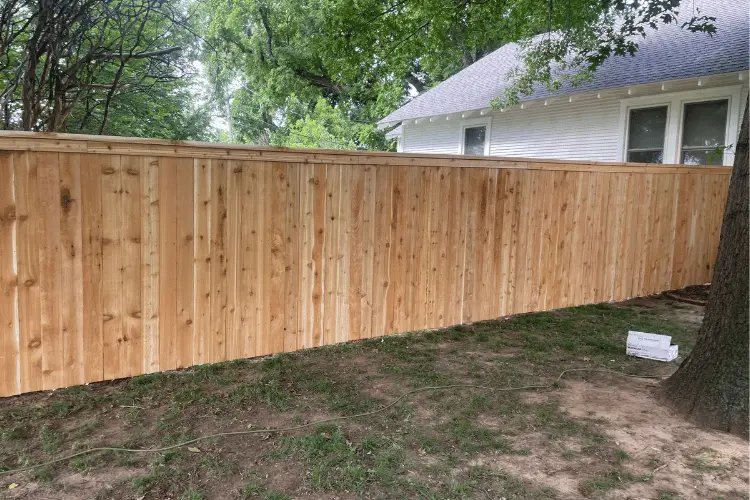
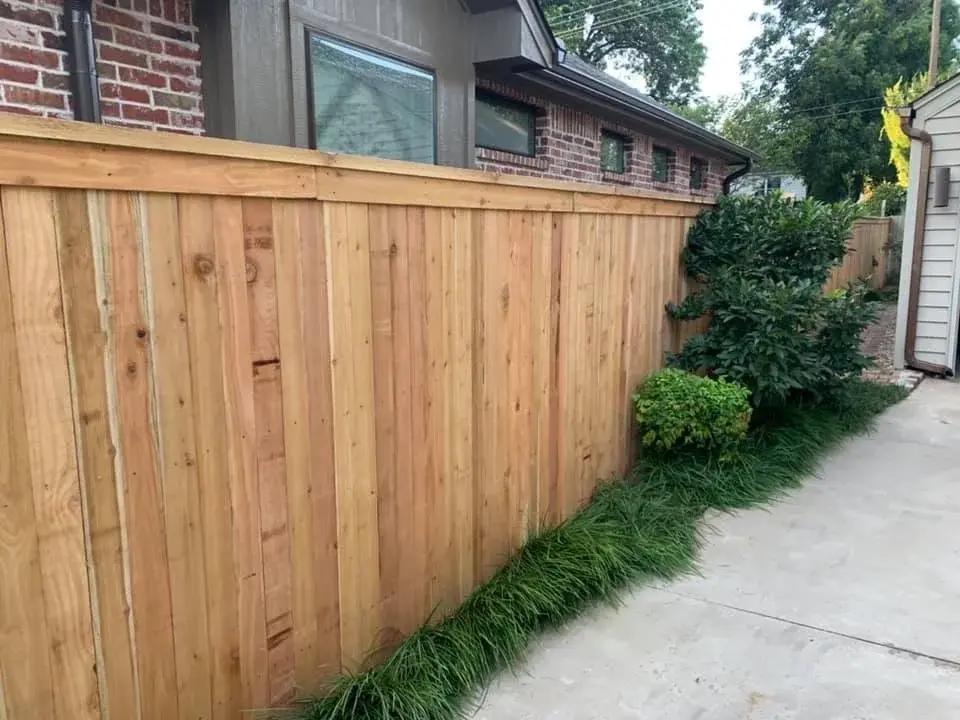
Both are cedar and carry a cedar look, warm tones and natural grain, so from a distance a Japanese cedar fence reads as a cedar fence. Western red cedar is especially prized for its rich color and grain, and many consider it the more beautiful of the two, but Japanese cedar still delivers far more of the cedar aesthetic than pine does.
Either can be left to weather to gray or sealed and stained to preserve and enhance the color. If appearance is a top priority and you want the finest cedar look, western red cedar is the choice; if you want a cedar look at a lower price, Japanese cedar gets you most of the way there.
Cost and Availability
Cost is Japanese cedar’s main draw: it is generally more affordable than western red cedar, which is why it has gained popularity as availability has grown. It lets a homeowner get a cedar fence without paying the full western red cedar premium. Rather than quote figures that would not fit your project, we price your specific fence, but the ranking is consistent.
Western red cedar, as the premium wood, costs more, and availability and pricing for both can shift with the lumber market. When we quote a cedar fence, we can lay out the options so you see the price and trade-offs of each and choose with eyes open.
Value: Which Makes Sense for You
The choice comes down to how you weigh durability and looks against cost. Western red cedar is the better long-term performer, more durable, more stable, arguably better-looking, and the choice when you want the best cedar fence and are willing to pay for it. It is the premium standard for good reason.
Japanese cedar is the value play: a real cedar fence at a lower price, accepting somewhat less durability and stability. For a budget-conscious homeowner who wants cedar over pine, it can be a sensible middle ground. Neither is wrong; they serve different priorities.
Maintenance for Cedar Fences
Whichever cedar you choose, maintenance extends its life and looks. Periodic cleaning and sealing or staining protect the wood and preserve its color; left unsealed, cedar weathers to a silvery gray, which some homeowners prefer. Because both are cedar, the maintenance approach is similar.
Given that Japanese cedar is a bit less durable and stable, staying on top of sealing is especially worthwhile for it. Our guides on staining a fence and fence maintenance apply to both cedars. Consistent upkeep is the best thing you can do for any wood fence.
Getting the Most From Either Cedar
Whichever cedar you land on, the construction matters as much as the wood. A cedar fence lives or dies on its posts and framing: posts set deep in concrete, solid rails, and quality fasteners let good wood do its job, while a great board on a poorly built frame still sags and fails. This is especially true for Japanese cedar, where sound construction helps offset its slightly lower durability.
The same goes for finishing. Sealing or staining early and re-coating on schedule protects your investment in either cedar, locking out the moisture that drives warping and graying. Spend a little on upkeep and even the value-grade cedar rewards you; skip it, and even premium western red cedar will not look its best for as long as it could. The wood sets the ceiling; the build and the maintenance decide whether you reach it.
How We Build Cedar Fences
Metro Fence builds cedar fences across the OKC metro, including western red cedar and other cedar options, on posts set deep in concrete for Oklahoma wind and soil, with the construction details that help a cedar fence last. See our privacy fence and residential fence services for the styles we build.
We help you choose the cedar that fits your priorities and budget and build it to last. A free on-site estimate is always available.
Get a Free Cedar Fence Quote
We come to your property anywhere in the OKC metro, talk through your cedar options and the look you want, and give you a clear quote. Every install carries a one-year workmanship warranty.
Call us at (405) 767-4828 or request a free quote to get started.
Good to Know
Frequently Asked Questions
Western red cedar is the premium fencing standard, naturally rot- and insect-resistant, dimensionally stable, and prized for its color and grain. Japanese cedar (sugi) is a lower-cost cedar alternative that offers a cedar look at a friendlier price but is generally less durable and stable. Both are cedar; they differ in performance and price.
It can be a good value, a real cedar fence at a lower price than western red cedar, but it is generally considered less durable and less dimensionally stable. It is a sensible middle ground between premium western red cedar and treated pine for budget-conscious buyers who want cedar, especially if kept sealed.
Western red cedar is the more durable and dimensionally stable of the two, making it the better choice for a long-lasting cedar fence. Japanese cedar can still make a serviceable fence, particularly with regular maintenance, but for maximum longevity from cedar, western red cedar is the stronger performer.
If you want the best-performing, best-looking cedar fence and plan to keep it for years, generally yes, its durability, stability, and appearance justify the premium for many homeowners. If budget is the priority and you still want cedar, Japanese cedar offers a lower-cost alternative with some trade-offs.
Keep Reading
Explore Our Fence Services