Published · By Frank DeLozier, Owner & Master Fence Builder
The best dog fence stops jumping, climbing, and digging; the right height and a tight bottom matter most.
The best dog-proof fence keeps your dog from jumping, climbing, or digging out. For most dogs that means a solid privacy or chain link fence, tall enough for the breed (often five to six feet for jumpers), set close to the ground with a dig barrier, and free of footholds. The right height and a tight bottom matter most.
What Makes a Fence "Dog-Proof"?
A dog-proof fence has to defeat the three ways dogs escape: jumping over, climbing up, and digging under. A fence that handles all three keeps your dog safely contained, while one that misses any of them leaves an escape route a determined dog will find.
The right combination depends on your dog, a small, calm dog needs far less fence than an athletic escape artist, so "dog-proof" is really about matching the fence to your specific dog. This guide covers each escape route and how to close it.
How Tall Should a Dog Fence Be?
Height stops jumpers, and the right height depends on the breed and the individual dog. Many dogs are contained by a four-foot fence, but athletic breeds and determined jumpers, huskies, shepherds, and many working and sporting dogs, can clear that easily and need five or six feet.
When in doubt, go taller. A six-foot fence contains the vast majority of dogs and is a common choice for that reason. If you have a known jumper, height is the first thing to get right, since no bottom barrier helps if the dog goes over the top.
Solid vs. See-Through: Which Is Better for Dogs?
Whether your dog can see out changes its behavior. A solid privacy fence blocks the view, which calms dogs that bark at or try to chase people, cars, and animals they can see, reducing the stimulation that drives fence-running, barking, and escape attempts.
A see-through fence like chain link lets the dog watch the world, which some dogs love and others find maddening. For a reactive or prey-driven dog, a solid fence is often the better choice; for a mellow dog, either works. It is a real factor in picking the right dog fence.
Best Fence Materials for Dogs
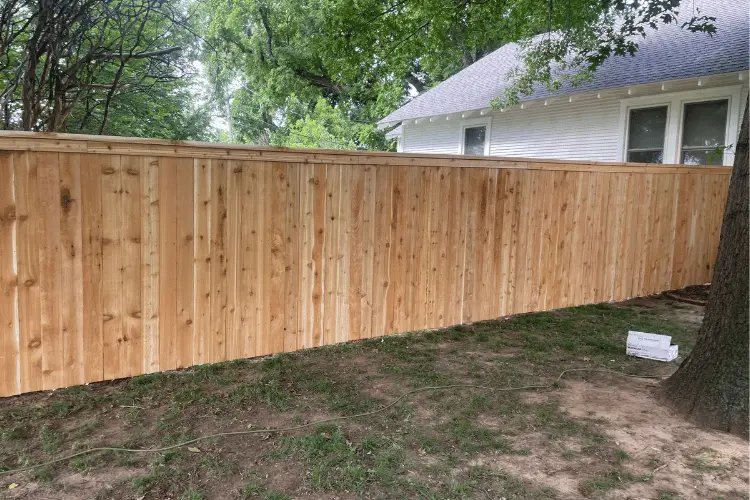
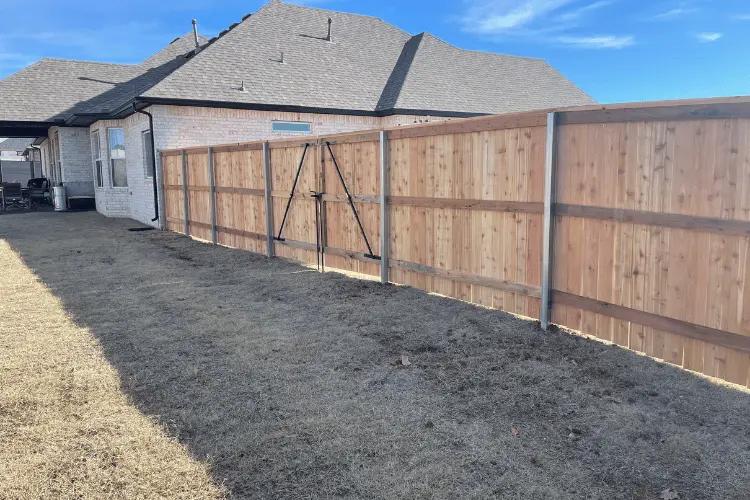
A few materials stand out for dogs. Cedar wood privacy is a top pick: it is solid (blocking stimulation), tall enough, and built on site so it can sit tight to the ground. Chain link is extremely durable, hard to chew through, and economical, ideal for dog runs and yards where privacy is not the goal.
What to avoid for chewers and diggers is a fence with a gap at the bottom or easy footholds. Whatever the material, a dog fence should be set close to the grade with a solid bottom, which matters more than the material itself.
Stopping Jumpers
For dogs that jump, the fix is primarily height, a fence tall enough that the dog cannot clear it, typically five to six feet for athletic breeds. A solid fence also helps, since a dog that cannot see a running start or a target on the other side is less motivated to launch.
For an extreme jumper, additions like an angled top (a section that leans inward) can discourage going over, but for most dogs the right height on a solid fence is enough. Getting the height right up front is far easier than retrofitting a too-short fence.
Stopping Climbers
Some dogs climb rather than jump, using footholds to scramble up and over. Chain link is the classic culprit because the mesh gives paws something to grip, so a determined climber can go up it like a ladder.
The fix is removing footholds: a smooth-faced solid fence (like wood privacy) gives nothing to grip, and for chain link, keeping the outside clear and adding a smooth top or an angled extension discourages climbing. Also keep furniture, woodpiles, and anything climbable away from the fence, since a dog will use a launch point if you give it one.
Stopping Diggers
Digging under is the most common escape of all, and it is stopped at the base of the fence. Set the fence tight to the ground, and for diggers add a barrier: an L-footer of buried wire, a mesh apron, or a row of pavers or a concrete footer along the bottom.
A tight bottom with a dig barrier defeats even committed diggers. Our guide on how to keep dogs from digging under a fence covers the barrier methods step by step. Pairing the right height and material with a solid bottom is what makes a fence truly dog-proof.
Gates and Latches for Dogs
The gate is a favorite escape point, because it is the one part of the fence designed to open. A dog-proof gate needs a secure, self-latching latch that clicks shut reliably, mounted so the dog cannot nose it open, and a gate set tight to the ground like the rest of the fence.
Double-check that gates close fully on their own or are always latched; many dog escapes are simply a gate left ajar. A spring hinge that swings the gate shut adds a layer of protection against the human error that lets dogs out.
Invisible and Electric Fences: Our Take
Invisible or electric "fences" that shock a dog wearing a collar are sometimes suggested as a cheaper option, but they have real drawbacks for containment. They do not physically stop the dog, a determined or highly motivated dog can run through the correction, and they do nothing to keep other animals or people out of your yard.
They also rely on the collar working and the dog respecting it, which is not guaranteed. For reliable containment, especially with an escape artist, a physical fence is the dependable choice. An invisible system can supplement a real fence, but we would not rely on it alone to keep your dog safe.
Matching the Fence to Your Dog
The best dog fence is the one built for your particular dog. A small, calm companion may be fine with a modest four-foot fence set tight to the ground; a large, athletic escape artist needs a six-foot solid fence with a dig barrier and a secure gate. Be honest about your dog’s size, energy, and habits.
When we build a fence for a dog owner, we ask about the dog so the height, material, bottom, and gate all fit. Getting it right the first time keeps your dog safe and saves you from retrofitting a fence that a clever dog defeats.
Puppies and Growing Dogs
One more consideration: dogs change. A puppy may be contained by a low fence today but grow into a jumper within a year, and a dog’s energy and habits shift as it matures. It is worth building for the dog your puppy will become, not just the one you have now.
That usually means erring toward a taller, solid fence with a secure bottom from the start, rather than building minimally and retrofitting a too-short fence a year later. Planning for the adult dog saves money and keeps your dog safe through every stage.
How We Build Dog-Friendly Fences
We build fences across the OKC metro with pets in mind: the right height for the breed, solid privacy or durable chain link, a bottom set tight to the grade, dig barriers where needed, and gates that latch securely. It is the same quality build we do for any fence, tuned to keep your dog home.
If your current fence is not keeping your dog contained, or you are planning a new one for a new pup, we are glad to help. A free on-site estimate is always available.
Get a Free Dog Fence Quote
We come to your property anywhere in the OKC metro, talk through your dog and your yard, and build a fence that keeps your dog safely in. Every install carries a one-year workmanship warranty.
Call us at (405) 767-4828 or request a free quote to get started.
Good to Know
Frequently Asked Questions
For most dogs, a solid cedar privacy fence or durable chain link, tall enough for the breed, set tight to the ground with a dig barrier, and with a secure self-latching gate. Privacy fence suits reactive dogs by blocking the view; chain link is great for durable, economical dog runs.
It depends on the dog. Many dogs are contained by four feet, but athletic breeds and determined jumpers need five or six feet. When in doubt, go taller; a six-foot fence contains the large majority of dogs, which is why it is a common choice for jumpers.
Both work; the choice is about your dog. A solid privacy fence blocks the view and calms dogs that bark at or chase what they see. Chain link is durable, chew-resistant, and economical but lets the dog see out, which can worsen prey-driven behavior. Either needs a tight bottom.
They can, but with real limits: they do not physically stop the dog, a motivated dog can run through the correction, and they keep nothing else out of your yard. For reliable containment, especially with an escape artist, a physical fence is the dependable choice.
Keep Reading
Explore Our Fence Services