Published · By Frank DeLozier, Owner & Master Fence Builder
The right fence height depends on your dog; when in doubt, taller is safer, and six feet contains most dogs.
How tall a fence should be for a dog depends on the breed and the individual dog. Small, low-energy dogs are often contained by a four-foot fence, average dogs by five feet, and athletic jumpers, huskies, shepherds, and many sporting breeds, need six feet or more. When in doubt, go taller: a six-foot fence contains most dogs.
Why Fence Height Matters for Dogs
Height is the primary defense against a dog jumping out, and jumping is one of the three main ways dogs escape, alongside climbing and digging. A fence that is tall enough for your specific dog removes the over-the-top escape route entirely, which is why getting the height right is the first decision for any dog owner building a fence.
The catch is that "tall enough" varies enormously from dog to dog. A fence that easily contains a corgi is a low hurdle for a border collie, so there is no single answer that fits every dog. The right height is the one matched to your dog’s size, breed, and athleticism, which is what the rest of this guide helps you figure out.
Fence Height by Dog Size and Breed
As a general framework, small and low-energy dogs are usually contained by a four-foot fence, most average-sized dogs by a five-foot fence, and large, athletic, or high-drive dogs by six feet. Beyond that, a handful of extreme jumpers need six feet plus additional deterrents.
Breed tendencies help, sporting, working, and herding breeds tend to be the athletic jumpers, while many companion and toy breeds are not, but the individual dog matters more than the label. A lazy lab may never test a four-foot fence, while a motivated one clears it. Know your own dog’s habits, and when unsure, size up.
Small and Low-Energy Dogs
For small breeds and calm, low-drive dogs, a four-foot fence is often plenty to keep them safely in the yard. These dogs generally are not built or motivated to clear a four-foot barrier, so height is less of a concern than the bottom of the fence, where even a small dog can dig or squeeze through a gap.
That said, "small" does not always mean "won’t escape." Some little dogs are surprisingly determined diggers and squeezers, so for small dogs the focus shifts from height to a tight bottom and no gaps. A four-foot fence set snug to the ground usually does the job.
Medium and Average Dogs
Most medium-sized, average-energy dogs are well contained by a five-foot fence, and many are fine with less. This is the broad middle where a standard privacy or chain link fence in the five-to-six-foot range covers the vast majority of family dogs without anything special.
If your medium dog has shown any inclination to jump or climb, err toward six feet, which removes any doubt. For a dog that has never tested a fence, five feet is a reasonable, contained height. As always, the bottom needs attention too, since a medium dog can dig.
Large and Athletic Dogs
Large, athletic, and high-drive dogs are where height really matters. Breeds like huskies, German shepherds, Belgian malinois, and many hounds and sporting dogs are powerful jumpers and climbers, and a determined one can clear a four or even five-foot fence from a standstill.
For these dogs, a six-foot fence is the baseline, and a solid one is better than see-through because it removes the visual triggers and the running start. If your dog is a known escape artist, plan on six feet as the minimum and read on for what to do about the exceptional jumper.
Known Jumpers: When Six Feet Is Not Enough
A small number of dogs, extreme athletes or highly motivated escape artists, can challenge even a six-foot fence. For these dogs, height alone may not be the whole answer, and additional deterrents come into play.
Common additions include an angled top section that leans inward over the yard (a "coyote roller" style or a simple inward extension) so a dog cannot get a paw over the top, and making sure the fence is solid with no footholds to climb. For a truly exceptional jumper, combining maximum practical height with an inward-angled top is the reliable solution.
Height Is Not Everything: Climbing and Digging
It is worth remembering that height only stops jumpers. A dog that climbs or digs will defeat a tall fence that has footholds or a gap at the bottom, so a truly dog-proof fence addresses all three escape routes, not just height.
Chain link, for instance, can be tall but climbable because the mesh gives paws a grip, and any fence with a gap underneath invites digging regardless of height. So pair the right height with a solid, foothold-free face and a tight, dig-protected bottom. Our guide on the best dog-proof fences covers the full picture.
Height and the Privacy Factor
Height and visibility work together for dogs. A taller solid fence not only physically stops jumping but also blocks the sightlines that make some dogs want to jump, chase, or bark in the first place. A dog that cannot see the mail carrier or the neighbor’s cat is a calmer dog with less reason to try to get out.
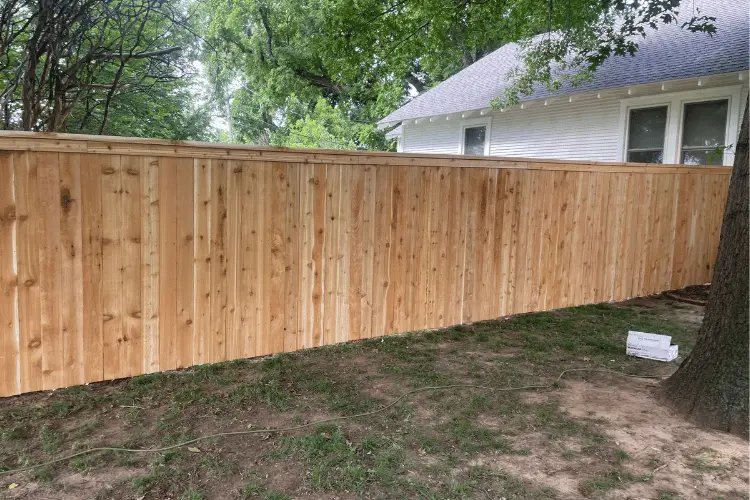
This is why a six-foot solid privacy fence is such a popular choice for dog owners: it delivers both the height and the visual barrier. A see-through fence of the same height contains the jump but not the temptation, which matters for reactive dogs.
Do Not Forget the Gate Height
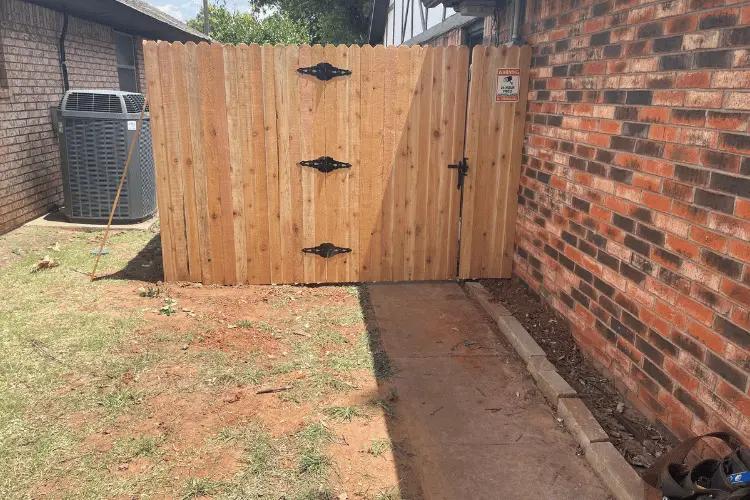
The gate has to match the fence, both in height and in security. A tall fence with a lower or gappy gate just relocates the escape route to the gate. Build the gate to the same height as the fence, set it tight to the ground, and give it a secure, self-latching latch.
Gates are also the most common accidental escape point simply because they get opened and sometimes left ajar. A self-closing hinge and a reliable latch protect against the human error that lets even a well-fenced dog slip out.
Balancing Dog Height Needs With Local Rules
One practical wrinkle: your dog may want a taller fence than the city allows in certain spots. Front-yard height limits, commonly three to four feet, and corner-lot sight triangles can conflict with the six feet a big dog needs, so the containment usually happens in the back and side yards where taller fences are allowed.
The common solution is a tall privacy fence around the back yard where the dog actually spends its time, with the more restricted front handled separately. If you have questions about height limits, our guides on fence height rules and metro permits cover the local side.
How We Size a Dog Fence
When we build a fence for a dog owner, we ask about the dog, its size, breed, energy, and any escape history, and size the fence to contain it: the right height, a solid or see-through face depending on the dog’s temperament, a tight bottom, and a secure gate. It is the same quality build we do for any fence, matched to your pet.
Getting the height and the whole fence right the first time keeps your dog safe and saves you from retrofitting a fence a clever dog has already beaten. If you are not sure what your dog needs, we are glad to help you figure it out. A fence sized for your dog from day one is the one you never have to think about again.
Get a Free Dog Fence Quote
We come to your property anywhere in the OKC metro, talk through your dog and your yard, and build a fence tall enough and secure enough to keep your dog safely in. Every install carries a one-year workmanship warranty.
Call us at (405) 767-4828 or request a free quote to get started.
Good to Know
Frequently Asked Questions
It depends on the dog. Small, low-energy dogs are often contained by a four-foot fence, average dogs by five feet, and large, athletic jumpers by six feet or more. When unsure, go taller, a six-foot fence contains most dogs, and pair it with a tight, dig-proof bottom.
Most dogs cannot, which is why six feet is a common choice, but a small number of exceptional athletes and highly motivated escape artists can challenge it. For those dogs, combine maximum practical height with a solid, foothold-free face and an inward-angled top section.
For small breeds and calm, low-drive dogs, usually yes, though the bottom of the fence matters more for them since they are more likely to dig or squeeze than jump. Medium and large or athletic dogs generally need five to six feet to prevent jumping out.
Athletic working, herding, and sporting breeds tend to be the strongest jumpers, huskies, German shepherds, malinois, and many hounds among them, and a motivated one can clear four or five feet easily. For these breeds, plan on a six-foot fence as the minimum.
Keep Reading
Explore Our Fence Services